Source Outdoor MPO Power Module for Telecom, 5G, and RRU
Compare 30 available Outdoor MPO Power Module units with varying power ratings and certifications. Buyers can evaluate specifications like voltage, efficiency, and protection levels for telecom base station applications.
Key considerations
Products List


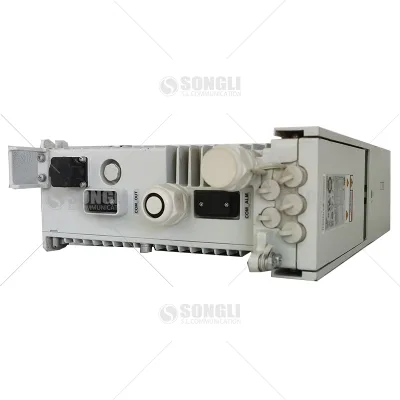
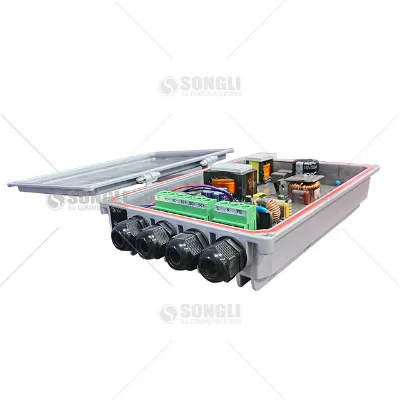
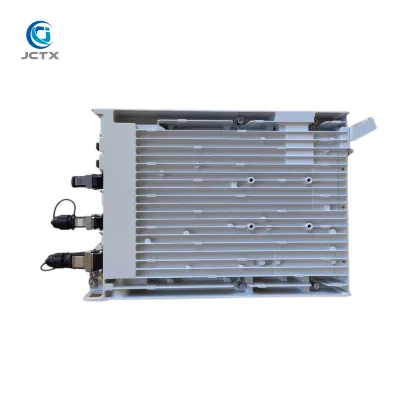
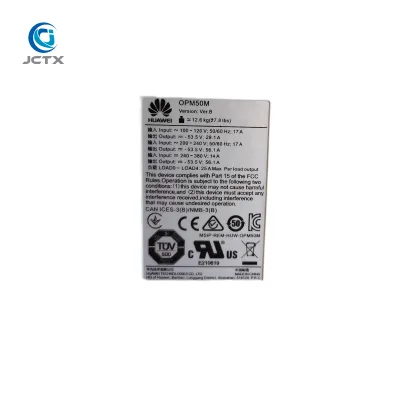
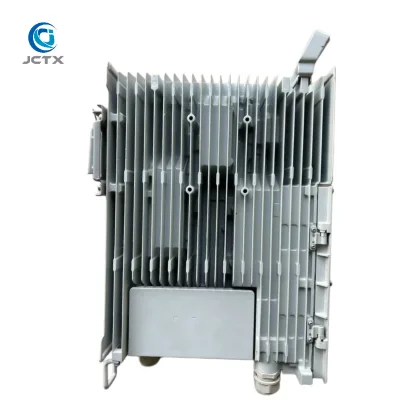


Power Module Converter Bidirectional Charger Inverter Charging Pile Module
$2020.00 - $2030.00
MOQ: 1 Pieces

Charging Plie Module Module Rectifier EV Charging Power Module Inverter Power Moduler Module
$2020.00 - $2030.00
MOQ: 1 Pieces

EV DC Fast Charger Power Module High-Power Power Supply Module Rectifier Module
$2800.00 - $2850.00
MOQ: 1 Pieces


Bidirectional Converter DC-DC Power Converter Power Supply Rectifier Module
$2020.00 - $2030.00
MOQ: 1 Pieces




Comprehensive Sourcing Guide
Strategic Sourcing Guide for Outdoor MPO Power Modules
Procuring specialized power modules for outdoor telecommunications infrastructure requires a rigorous approach that balances technical precision with supply chain reliability. The Outdoor MPO Power Module, often integral to 5G base stations and remote radio units (RRUs), operates in harsh environments where failure is not an option. Buyers must navigate a complex landscape of specifications, including voltage regulation, thermal management, and environmental protection ratings. This guide provides a structured framework for evaluating potential suppliers and products, ensuring that the selected components meet the stringent demands of modern telecommunication networks without relying on unverified claims or external assumptions.
Technical Specifications and Performance Parameters
When evaluating outdoor MPO power modules, the primary focus must be on the core electrical and physical specifications that define operational viability. The supplied data indicates a diverse range of capabilities, with output power capacities exceeding 500W and specific models reaching 2kW for outdoor applications. A critical parameter for these systems is the output voltage, which typically operates within a range of 43V to 58VDC, centered around a 48V nominal system. This range is essential for compatibility with standard telecom equipment. Furthermore, the output frequency is standardized at 50/60Hz, ensuring global interoperability.
Efficiency is another non-negotiable metric. High-performance modules in this category demonstrate efficiency ratings greater than 95%, which directly impacts thermal load and energy costs in remote sites. The voltage stabilization accuracy is a key indicator of power quality, with observed specifications suggesting a tolerance of ±1% or better. This precision ensures that sensitive base station equipment receives stable power despite fluctuations in the input supply. The input voltage range is broad, typically spanning 90V to 290VAC, allowing the modules to function reliably across varying grid conditions.
Physical dimensions and weight are equally critical for installation logistics. The data presents varying form factors, with standard dimensions observed around 280mm x 190mm x 90mm for certain models, while others may have different profiles. Weight specifications vary significantly, with some units listed at 5kg and others at 20kg, necessitating careful verification of the specific model's weight for structural mounting calculations. The modules utilize a terminal power distribution system with parallel switching power supply connections, facilitating redundancy and load sharing in high-availability architectures.
| Parameter | Observed Specification Range | Critical Application Note |
|---|---|---|
| Output Power | >500W to 2kW | Must match RRU and Base Station load requirements |
| Output Voltage | 43~58VDC | Standard telecom voltage range |
| Efficiency | >95% | Reduces cooling requirements and energy waste |
| Input Voltage | 90~290VAC | Wide range accommodates unstable grid conditions |
| Operating Temp | -40°C to +55°C | Essential for outdoor deployment in extreme climates |
| Lightning Protection | 8/20μS, 20kA | Critical for surge protection in exposed locations |
Environmental Durability and Protection Standards
The "outdoor" designation for these power modules implies a requirement for robust environmental protection. The data explicitly cites an IP Rate of IP65, which signifies complete protection against dust and low-pressure water jets from any direction. This rating is fundamental for units installed in exposed enclosures or cabinets where direct weather exposure is a risk. Additionally, the working temperature range is specified as -40°C to +55°C, confirming the module's ability to function in extreme cold and high-heat environments typical of outdoor telecom sites.
Lightning prevention is a specialized feature highlighted in the specifications, with a rating of 8/20μS at 20kA. This indicates the module's capacity to withstand high-energy surges, a common threat in outdoor installations. Buyers must verify that the specific unit selected matches this protection level, as lower-rated units may fail during severe weather events. The packaging details, described as "Export Packing" or "Box," should be scrutinized to ensure they provide adequate protection during transit, especially given the heavy weights associated with some models. The product origin is listed as China, with specific mentions of Shenzhen and Hebei, regions known for manufacturing these components, but the specific factory location should be confirmed for logistics planning.
Compliance, Certification, and Regulatory Adherence
Navigating the regulatory landscape is a pivotal step in the procurement process. The supplied facts list several certifications, including RoHS, ISO, and CE. RoHS compliance ensures that the product restricts the use of specific hazardous materials, which is a legal requirement in many markets. The CE mark indicates conformity with health, safety, and environmental protection standards for products sold within the European Economic Area. While ISO is mentioned, buyers should specifically verify if the manufacturer holds ISO 9001 certification for quality management systems, as this is a standard benchmark for manufacturing reliability.
It is crucial to treat these certifications as observations of specific listed products rather than universal guarantees for all inventory. A buyer must request current, valid certificates for the exact model number being purchased. The "OEM" (Original Equipment Manufacturer) availability noted in the data suggests that customization is possible, which often involves re-certification or specific compliance adjustments. Buyers should ensure that any customized configuration maintains the integrity of the original certifications or obtains new ones appropriate for the modified design. The warranty period is observed to be 2 years, which serves as a baseline for after-sales support and risk mitigation.
Cost Drivers and Pricing Dynamics
The pricing for outdoor MPO power modules is influenced by a complex interplay of factors, including output power, efficiency ratings, and environmental protection levels. The observed price range in the market spans from $0.10 to $3,000, a vast spectrum that reflects the diversity of product capabilities. Lower-cost units likely represent basic rectifier modules or lower-power variants, while the higher end of the spectrum corresponds to high-power, high-efficiency units with advanced surge protection and robust outdoor ratings.
The Minimum Order Quantity (MOQ) is another significant cost driver, with observed ranges from 1 to 1,000 units. Purchasing in larger volumes often unlocks better unit pricing but requires accurate demand forecasting to avoid inventory obsolescence. The supply ability is noted as 1,000 pieces per month for certain models, which may constrain large-scale deployments if not planned well in advance. Buyers should also consider the cost of customization, as the availability of OEM services implies additional engineering and tooling costs. Packaging costs, whether standard boxes or specialized export packing, can also impact the final landed cost, particularly for heavy units weighing up to 20kg.
Typical Applications and Deployment Scenarios
The primary application for these modules is in telecommunications infrastructure, specifically for telecom base stations, 5G base stations, and Remote Radio Units (RRUs). The data explicitly links the product function to these sectors, highlighting their role in powering critical network equipment. The "Condutor" is identified as a Rectifier Module, which converts AC input to DC output for the base station's internal systems. The energy transmission mode is described as two-way, suggesting capabilities for both power delivery and potentially battery charging or energy feedback in hybrid systems.
These modules are designed for use in base stations where reliability is paramount. The parallel switching power supply connection mode allows for N+1 redundancy, a standard practice in telecom to ensure continuous operation even if one module fails. The self-excited switching power supply starting mode indicates a design that can initiate operation without external triggering, simplifying the integration into existing power systems. The single output type suggests these are dedicated power units, though the parallel capability allows for system-level expansion. Buyers should match the specific output power (e.g., 1000W, 1500W, or 2kW) to the power consumption profile of the specific RRU or base station model they are deploying.
Supplier Evaluation and Quality Assurance
Evaluating suppliers requires a focus on their ability to deliver consistent quality and technical support. The data mentions a brand name, "Huawe," which may be a typo for a major industry player, but buyers should verify the actual brand identity and reputation. The availability of customization and OEM services is a positive indicator of a supplier's flexibility, but it also introduces complexity. Buyers must assess the supplier's engineering capabilities to ensure that customizations do not compromise the product's reliability or certification status.
Quality control should be a central part of the supplier selection process. The 2-year warranty is a standard offering, but the terms and conditions should be reviewed carefully. Buyers should request detailed test reports, particularly regarding the lightning protection and temperature performance, to validate the claims made in the product listing. The condition of the products is listed as "New" and "In Stock," which is favorable, but buyers should confirm the storage conditions to prevent degradation of components before shipment. The supply ability of 1,000 pieces per month suggests a medium-scale operation, and buyers should verify if this capacity can scale up during peak demand periods.
Long-Term Procurement and Lifecycle Management
Sourcing outdoor power modules is not a one-time transaction but a long-term commitment. The 2-year warranty provides a baseline for replacement, but buyers should plan for a longer lifecycle, considering that telecom infrastructure often operates for 10 to 15 years. The availability of spare parts and the supplier's ability to support legacy models are critical factors. The "OEM Available" status suggests that the supplier can produce replacement units even if the original model is discontinued, which is a significant advantage for long-term maintenance.
Buyers should also consider the total cost of ownership, which includes energy efficiency and maintenance costs. Modules with efficiency ratings above 95% will generate less heat, reducing the load on cooling systems and lowering operational expenses. The robust IP65 rating and wide operating temperature range minimize the risk of premature failure due to environmental stress, further reducing maintenance costs. Finally, buyers should establish clear communication channels with the supplier for technical support and warranty claims, ensuring that any issues can be resolved quickly to minimize network downtime. By adhering to these structured evaluation criteria, buyers can secure reliable power solutions that support the critical infrastructure of modern telecommunications networks.
FAQs
What is the output voltage range for these modules?
The output voltage range is 43 to 58VDC, centered around a 48V nominal system. This range ensures compatibility with standard telecom equipment and base station requirements.
Can these modules operate in extreme outdoor temperatures?
Yes, the modules function within a working temperature range of -40 to 55 degrees Celsius. This capability allows reliable deployment in harsh environmental conditions typical of outdoor sites.
Which certification standards do these products meet?
The products meet RoHS, ISO, and CE certification standards. Buyers should verify specific certificates for the exact model to ensure compliance with regional regulatory requirements.
How much power can these outdoor modules deliver?
Output power exceeds 500W, with specific models reaching 2kW for outdoor applications. This capacity supports the energy demands of 5G base stations and remote radio units.
What is the efficiency rating of these power modules?
Efficiency ratings are greater than 95% for high-performance units. This high efficiency reduces thermal load and energy costs in remote telecommunications infrastructure deployments.
Can suppliers provide customization or OEM services?
Customization and OEM services are available for these modules. Buyers should confirm specific engineering requirements to ensure modifications maintain original certification and performance standards.
What is the warranty period for these products?
The warranty period is 2 years for the listed products. This baseline coverage supports after-sales service and risk mitigation for long-term infrastructure deployments.